The Complete Beginner's Guide to Hydroponics
Hydroponics sounds complicated — but it doesn't have to be. At its core, it's simply growing plants in nutrient-rich water instead of soil. No weeding, no pests hiding in dirt, and plants that grow up to 50% faster. This guide covers everything you need to go from zero to your first harvest.
What Is Hydroponics?
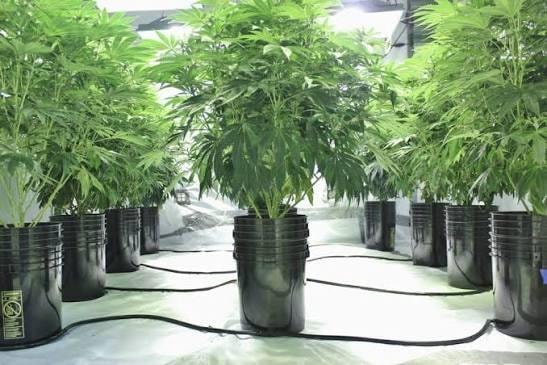
Hydroponics is a method of growing plants using mineral nutrient solutions in water, without soil. Plant roots are supported using an inert medium such as perlite, rockwool, clay pellets, or coco coir. Because nutrients are delivered directly to the roots, plants spend less energy searching for food and more energy growing.
Choosing Your First System
For beginners, the best systems are all-in-one countertop units like the AeroGarden Harvest or iDOO Hydroponics Kit. These come with everything you need — a reservoir, pump, LED grow light, and seed pods. You simply fill with water, add nutrients, and plug it in. More advanced systems like Deep Water Culture (DWC) or Nutrient Film Technique (NFT) offer more control but require more setup.
Understanding Nutrients
Plants need three primary macronutrients: Nitrogen (N), Phosphorus (P), and Potassium (K) — often written as NPK. In hydroponics, these are dissolved directly in your water. Most beginner kits include a starter nutrient solution. As you advance, you'll learn to adjust ratios for different growth stages: higher N for leafy growth, higher P and K for flowering and fruiting.
Lighting Basics
Light is the engine of plant growth. Most countertop systems include built-in LED grow lights calibrated for plant growth. If you're building a custom setup, look for full-spectrum LEDs with both blue (400–500nm) and red (600–700nm) wavelengths. A general rule: leafy greens need 14–16 hours of light per day, while fruiting plants need 12–14 hours.
pH and Water Quality
pH is the single most important factor beginners overlook. Hydroponic plants thrive at a pH of 5.5–6.5. Outside this range, nutrients become unavailable even if they're present in the water. Test your pH weekly with a digital pH meter and adjust using pH Up (potassium hydroxide) or pH Down (phosphoric acid) solutions.
Your First Harvest
Leafy greens like lettuce, basil, and spinach are the easiest crops to start with — they grow fast (3–5 weeks to harvest) and are forgiving of beginner mistakes. Herbs like mint, cilantro, and parsley are also excellent choices. Once you're comfortable, you can graduate to tomatoes, peppers, and strawberries.
Frequently Asked Questions
Is hydroponics hard for beginners?
No — modern countertop systems like the AeroGarden make it very easy. You add water, nutrients, and seeds, and the system handles the rest. Most beginners harvest their first herbs within 3–4 weeks.
How much does it cost to start hydroponics?
A beginner countertop kit costs $70–$150. Ongoing costs are minimal — nutrients, seeds, and electricity. Most growers recoup the cost within a few months of growing their own herbs and greens.
What can you grow hydroponically?
Almost anything — herbs (basil, mint, cilantro), leafy greens (lettuce, spinach, kale), tomatoes, peppers, strawberries, and more. Beginners should start with herbs and lettuce for the fastest, easiest results.
Do hydroponic plants grow faster than soil?
Yes — typically 30–50% faster. Plants get nutrients delivered directly to their roots and spend less energy searching for food, so they put that energy into growth instead.
Top Picks
Looking for the best beginner hydroponic systems? We've reviewed and ranked the top kits.
Ready to get growing?
Find the perfect system for you
We've tested and ranked the best beginner hydroponic kits so you don't have to.
View Best Hydroponic Systems